
The most useful answer begins with the condition at the property. Materials, age, base, drainage and previous work can change what is practical, so this article is a starting point—not a diagnosis from a photograph.
Look for condition, not a date
Some surfaces lose water repellency or color enhancement sooner than others. Before recoating, inspect wear patterns, joint condition, whitening, trapped moisture and whether the old product is still bonded.
More sealer is not always better
Applying a new coat over an incompatible or failing film can create haze, uneven gloss or adhesion problems. Testing and cleaning may be needed before any maintenance coat.
Build a practical maintenance plan
Gentle routine cleaning, prompt stain care and protecting drainage can extend the useful life of both pavers and coating. The plan should be specific to the driveway, patio or pool deck.
What to notice before requesting an estimate
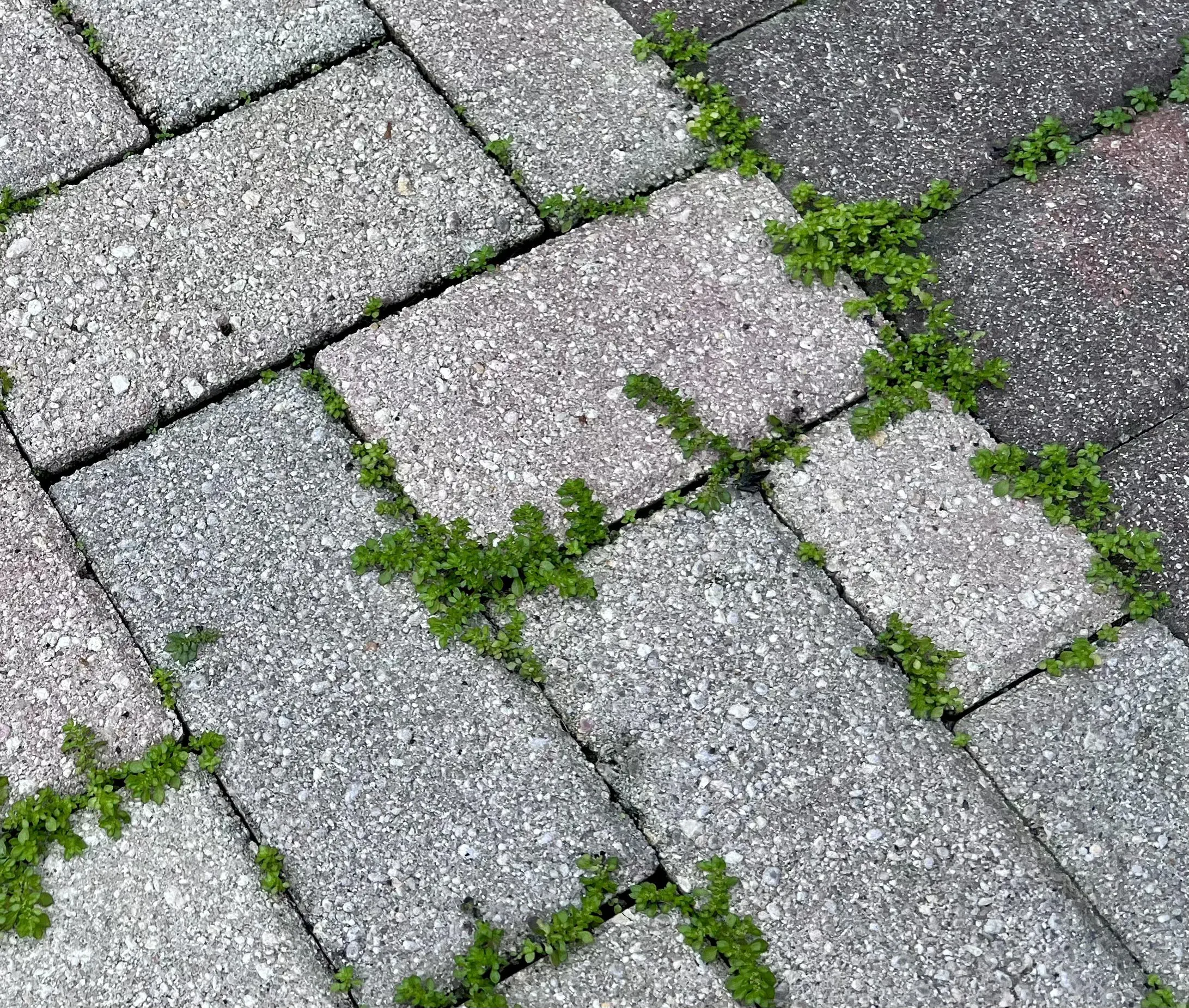
Take one wide photograph that shows the affected area in relation to the house, driveway, pool or landscape. Add close views of movement, joints, cracks or staining, plus any nearby drain, downspout or edge. Note whether the condition changes after rain and whether it has spread over time.
A clear scope should explain what is visible, what may be contributing, which area will be opened or rebuilt and what result is realistic. If an underlying condition cannot be confirmed until pavers are lifted, that uncertainty should be stated rather than hidden.